Halloweentown University Est 1998 Retro Review
As a designer who’s spent years in the world of machine embroidery, I’m always on the lookout for graphics that balance charm with practicality. The Halloweentown University Est 1998 Retro design caught my attention not just for its nostalgic appeal but also for how well it might translate into real-world projects. Let me walk you through what I see and how this design could fit (or not) into your next embroidered creation.
First Impressions: A Nostalgic Vibe with Modern Flexibility
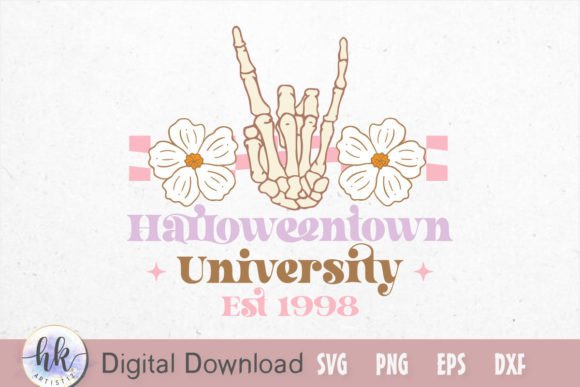
The moment I opened the EPS, SVG, PNG, and DXF files included in Halloweentown University Est 1998 Retro, I was struck by its vintage aesthetic. It has that classic Halloween university look—think jack-o’-lanterns, bats, and spooky typography—but with a clean, stylized edge that makes it feel current enough to work in today’s market. The layout is centered, which gives it a balanced presence on any garment or fabric surface.
What stands out is the detail level. There are subtle textures and lines that give it character without being overly complex. This is important because too many tiny elements can lead to stitching issues, especially when scaling down. The transparent background in the PNG file is a nice touch, making it easy to place the design accurately on mockups or physical products.
Visual Personality and Project Fit
This design feels like it belongs on custom apparel, tote bags, or even patches. Its retro vibe screams autumnal events, personalized gifts, and seasonal merchandise. For example, imagine using it on a sweatshirt for a local boutique's Halloween collection or as an embroidered patch for a themed cap. It adds instant personality without shouting for attention.
However, I’d be cautious about placing it on baby clothes or anything that needs frequent washing. While the design itself is durable in concept, the visual elements—like small lettering and decorative accents—could fade or lose clarity over time if not stitched with care and high-quality materials.
Real-Life Embroidery Use Cases
Let’s break it down with a few scenarios:
- Tote Bag Design: The 6x6 inch size works well here. It won’t overwhelm the canvas-like texture of a tote bag and still holds up at a distance. Just make sure the stitch density is adjusted to avoid puckering on thicker woven fabrics.
- Sweatshirt Embroidery: With a soft cotton blend, the design could shine as a front pocket accent or a chest placement. The retro fonts have enough weight to remain legible after multiple washes, but thread color contrast should be tested first.
- Embroidered Patch: The design is compact enough to fit into a standard hoop size for patch work. However, if you’re planning to use it on stretchy or thin material, stabilizer becomes essential to maintain shape and clarity.
- Pillow Covers & Tea Towels: These items are perfect for holiday embroidery. The design would add a fun pop of nostalgia, especially when paired with seasonal colors like orange, black, or deep green. The fill stitches need to be reviewed to ensure they don’t become too dense on delicate linen or cotton blends.
- Etsy Listings & Craft Business Merch: As a digital embroidery file, this design could easily become part of your design assets for online shops. It’s got the right mix of whimsy and professionalism to appeal to both collectors and crafters looking for something unique yet familiar.
Where to Use Carefully
Though versatile, there are some limitations to consider:
- Small Hoop Sizes: At 6x6 inches, it pushes the limits of smaller hoops. If you plan to scale it down, test on scrap fabric to ensure details like the “Est 1998” text stay intact.
- Textured Fabrics: The design’s fine lines may not stitch cleanly on coarse or heavily textured materials. Stick to smooth, medium-weight fabrics for best results.
- Stretchy or Thin Fabric: Without proper stabilizer, the running stitch elements could distort. Always do a trial run before committing to a full batch.
- Dark Fabric Backgrounds: Thread colors might appear muted. Consider using lighter shades or metallic threads for better visibility.
- Curved Surfaces: Caps or curved areas may require adjusting the design or breaking it into sections. The corners and edges could warp if not properly aligned.
- Detailed Corners and Tiny Lettering: These features may need manual editing depending on your machine’s capabilities. Not all machines handle very small text or intricate shapes equally well.
Design Impact on Product Value and Customer Engagement
One thing I love about this design is how it enhances the visual appeal of a finished product. Whether you're creating a personalized gift or commercial items for a small shop, the Halloweentown University Est 1998 Retro brings a sense of authenticity and humor that customers respond to. It’s the kind of design that says, “I know my stuff,” and subtly builds customer trust in the quality and thought behind your handmade products.
For handmade product creators, the design helps elevate presentation. It looks polished and professional, fitting well into a curated line of holiday gifts or seasonal decorations. As for brand consistency, it’s a solid choice for businesses that want to tap into retro themes without going overboard.
Its giftability is strong. Picture a customer receiving a custom embroidered sweatshirt with this design—they’ll likely associate it with a fun, thoughtful experience. That emotional connection can boost buyer engagement and repeat purchases.
Professional Presentation and Recognition
In terms of professionalism, this design hits the sweet spot between playful and refined. It doesn’t scream “amateur hour” like some free designs do, nor does it feel too corporate. Instead, it offers a middle ground that’s ideal for craft fairs, Etsy sellers, and small shop products. You can expect a good amount of recognition from those who appreciate retro Halloween motifs, which is great for word-of-mouth marketing.
That said, if you’re selling digital embroidery files or commercial embroidery products, you must confirm licensing before listing them. Many retro-style designs come with restrictions, and while the product description mentions sublimation usage, it doesn’t clarify whether it’s suitable for resale of stitched goods or digital downloads. So, double-check the permissions!
Designer Notes for Best Results
Before diving into production, I recommend the following steps to ensure the Halloweentown University Est 1998 Retro performs well in your specific setup:
- Test on Scrap Fabric First: Especially if you’re using it on a new type of material or preparing for a large order.
- Check Thread Color Contrast: Make sure the colors stand out against the intended fabric background. Darker hues may need adjustments.
- Review Stitch Density: Dense areas like the university name might need less coverage to prevent bulging, especially on thinner textiles.
- Confirm Hoop Size: The design fits within a 6x6 inch hoop, but if you’re working with a smaller area, you may need to simplify or resize carefully.
- Inspect Small Details: Look closely at the “Est 1998” text and other fine elements. They may require reinforcement or simplification based on your machine’s precision.
- Use Proper Stabilizer: Especially on stretchy, thin, or layered garments. It will save you hours of rework and customer complaints later.
- Test in Black and White Mockups: See how it looks with different thread combinations or if you decide to offer it in monochrome variations.
- Compare Light and Dark Backgrounds: Visual impact varies significantly depending on the fabric shade.
- Confirm Licensing Before Selling: Always verify if you can legally sell finished items or digital versions of the design. This is critical for craft business owners and digital product sellers.
Final Thoughts for Makers and Sellers
The Halloweentown University Est 1998 Retro is a design that knows its audience. It’s not trying to be everything—it’s clearly aimed at fans of Halloween nostalgia and retro aesthetics. That makes it a great candidate for niche markets, boutique branding, and personal collections.
If you're crafting for a real project, such as a custom embroidered tote bag for a fall festival or a patch for a themed hat, this design will serve you well. But if you're aiming for high-volume production or working with tricky materials, take the extra time to evaluate each element before finalizing your stitch job.
Overall, I think it’s a solid addition to any embroidery project that benefits from a touch of Halloween history. Just remember—no matter how cool the design looks on screen, the true test is always on fabric.