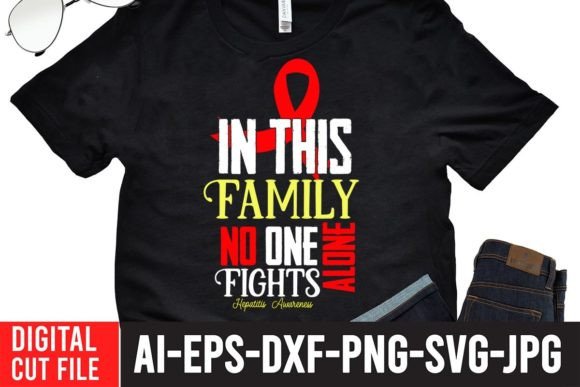
In This Family No One Fights Alone
As a designer who spends more time looking at stitch density and fabric grain than scrolling through endless design marketplaces, I approach every new machine embroidery design with a mix of optimism and skepticism. When "In This Family No One Fight Alone Fights" landed on my desk, it wasn’t just another quote file to file away; it was a potential centerpiece for a deeply personal project. The title itself carries weight. It speaks to solidarity, resilience, and the quiet strength found in shared struggles. But does the visual execution match that emotional resonance? After testing this embroidery file across various fabrics and hoop sizes, here is my honest evaluation of how it performs as a real-world asset for crafters, Etsy sellers, and professional decorators.
First Impressions: Mood and Visual Personality
The immediate appeal of "In This Family No One Fight Alone Fights" lies in its thematic clarity. It is not merely decorative; it is declarative. The layout balances text with symbolic imagery, likely incorporating the pink awareness ribbon given its association with breast cancer advocacy. From a design perspective, the mood is supportive yet bold. It avoids being overly delicate, which is crucial because delicate designs often get lost on heavier garments or fail to convey the strength required by the message.
Visually, the design feels grounded. It doesn’t scream for attention with chaotic elements but instead invites the viewer to pause and read. For an Etsy seller or small shop owner, this distinction is vital. Customers browsing for personalized gifts are often looking for something that feels authentic and heartfelt rather than mass-produced. This design offers that handmade warmth. The typography appears sturdy enough to hold up against the rigors of daily wear, while the graphical elements provide a focal point that anchors the piece. It feels like a design meant to be worn close to the heart, both literally and figuratively.
Real-World Application: Where Does This Design Shine?
I always ask myself: where will this look best? "In This Family No One Fight Alone Fights" has a versatility that makes it suitable for a wide range of custom apparel and home goods. However, some applications work better than others.
Sweatshirt Embroidery: This is perhaps the strongest use case. The structure of a hoodie or crewneck sweatshirt provides a stable, flat canvas that can support the stitch density required for clear lettering and detailed ribbon graphics. Imagine a soft, heather-pink sweatshirt featuring this design on the left chest or centered across the front. It creates a cohesive, boutique-quality look that resonates with anyone supporting a loved one through treatment. The texture of the fleece complements the smoothness of satin stitches, creating a pleasing tactile contrast.
Tote Bag Design: Canvas tote bags are a staple for the craft business, but they present unique challenges. The weave of canvas can distort fine details if the stabilizer isn’t chosen correctly. If this design includes intricate fill stitches, it might become muddy on a thin canvas. However, if the design relies on clean lines and bold shapes, it translates beautifully to a reusable shopping bag or a gift bag for a care package. It turns a simple utility item into a statement piece of advocacy.
Baby Embroidery and Nursery Decor: There is a poignant angle here for baby blankets or onesies. While the topic is serious, the sentiment of family unity is universal. A subtle, smaller version of this design on a receiving blanket can serve as a powerful heirloom. It requires careful consideration of thread colors—soft pastels might soften the impact, while classic white or gray threads on a neutral background maintain dignity and elegance.
Embroidered Patch: Converting this graphic into a detachable patch opens up commercial possibilities. Patches allow for applique techniques, which can reduce thread usage and add dimension. A sew-on or iron-on patch featuring this message could be attached to denim jackets, backpacks, or medical center scrubs, offering flexibility for the wearer.
Areas Requiring Caution
No design is without its limitations, and knowing where "In This Family No One Fight Alone Fights" might struggle is just as important as knowing where it succeeds.
- Small Hoop Sizes: If you attempt to digitize or embroider this on a very small hoop (under 4x4 inches), the text may become cramped. Legibility is paramount when conveying a message. If the letters touch or overlap, the impact is lost. Always verify the final dimensions before committing to a small product like a cap brim or a tiny pocket square.
- Textured and Stretchy Fabrics: Jersey knits, ribbed cuffs, or heavily textured linens can cause puckering. Without the correct stabilizer—likely a cut-away for stability—the design may distort after washing. On stretchy fabrics, the tension of the embroidery thread can pull the material out of shape, ruining the drape of a t-shirt or bodysuit.
- Dense Stitch Areas: If the design uses heavy fill stitches for the ribbon or background, it adds stiffness to the fabric. On items that need to remain soft, like a baby’s cheek cloth or a lightweight summer tee, this density might be undesirable. Test the hand-feel of the stitched area; if it becomes too rigid, consider reducing the stitch count or switching to a lighter fill pattern.
- Dark Fabric Contrast: Ensure your thread choices offer sufficient contrast. White or light pink threads can disappear against darker backgrounds unless a high-density underlay is used. Conversely, dark threads on black fabric require careful lighting to be seen. Always check your thread colors against your fabric swatch under natural light.
Practical Designer Notes for Execution
To ensure "In This Family No One Fight Alone Fights" delivers a professional finish, follow these practical steps before running large batches for your craft business.
- Test on Scrap Fabric: Never assume a design will behave well on your target material. Run a test stitch-out on the exact fabric type you plan to sell. Check for puckering, thread breaks, and alignment issues.
- Review Stitch Density: Zoom in on the digital preview. Are there areas where the needle penetrates the same spot too many times? Excessive density leads to bulk and potential machine errors. Adjusting the density settings can improve the flow of the design.
- Inspect Small Details: Look closely at any curves or corners in the ribbon graphic. Do they appear sharp, or do they look jagged? If the detail is too fine for your machine’s resolution, simplify the path or increase the hooping size.
- Black and White Mockups: Convert the design to grayscale to check contrast levels. This helps identify if certain elements will blend together or fade into the background.
- Stabilizer Selection: Use a stabilizer appropriate for the fabric weight. For woven cottons, tear-away might suffice, but for knits or multi-layered items, a cut-away stabilizer is non-negotiable for long-term durability.
- Licensing Confirmation: Before listing this as a commercial embroidery product or selling finished items, double-check the license agreement included with the digital embroidery file. Ensure you have the right to sell physical goods made from this design, especially if you are marketing it as a specialized awareness item.
Final Verdict
"In This Family No One Fight Alone Fights" is more than just a graphics asset; it is a tool for connection. It works best when applied to products that prioritize comfort and durability, such as sweatshirts, sturdy totes, and quality apparel. It demands respect in its execution—proper hoop size, correct stabilizer, and thoughtful thread selection are mandatory to achieve the polished look that customers expect from a reputable brand.
For the small business owner or hobbyist, this design offers a meaningful way to engage with a community that values empathy and support. It is not a fleeting trend but a timeless sentiment. By treating it with the technical care it deserves, you can create handmade products that not only look professional but also resonate deeply with those who receive them. Whether used for a personal gift or a boutique inventory item, this design has the potential to stand out in a crowded marketplace of design assets, provided it is executed with precision and heart.