Love Running Embroidery Design Review
When I sit down to evaluate a new machine embroidery design, my first question is always practical: will this hold up in the real world? It is one thing for a digital file to look crisp on a screen; it is another entirely for it to translate into a durable, visually striking physical object. Recently, I pulled up the Love Running graphic to see how it would perform as an actual stitched piece. This isn’t just about aesthetics; it is about the intersection of design intent and technical execution. As someone who reviews these assets for small business owners and crafters, I look for designs that offer versatility without sacrificing clarity.
The First Impression and Visual Mood
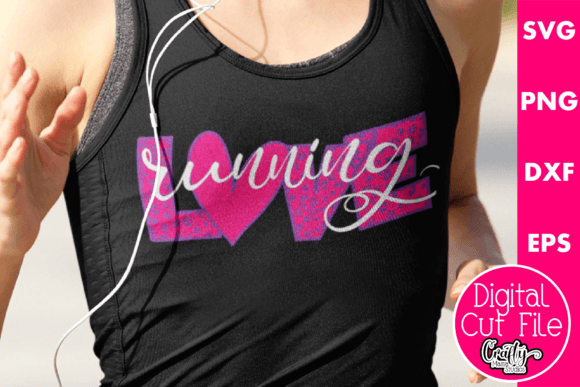
The moment you load the Love Running file, the mood is immediately energetic yet approachable. The layout suggests movement, which is critical for any running athlete png or quote-based design. In embroidery, static images can sometimes feel stiff, but this design has a natural flow that mimics the rhythm of a runner. The visual personality is bold enough to stand out on a dark fabric but clean enough to remain legible when scaled down. For designers looking for a custom apparel element that conveys passion without being overly aggressive, this strikes a solid balance. It feels like a design meant to be worn with pride, suitable for both serious marathoners and casual joggers.
Real-World Application: A Boutique Scenario
To truly test a design, you have to imagine it on a product. Let’s say you are preparing inventory for a local craft fair or updating your Etsy shop. You decide to create a line of personalized gifts for a running club. You choose the Love Running design to stitch onto high-quality cotton canvas tote bags and soft fleece sweatshirts. In this scenario, the design needs to survive the stress of daily use while maintaining its charm.
On a tote bag design, the contrast between the thread and the fabric becomes paramount. If you use a vibrant red or bright white thread against a black or navy canvas, the satin stitch details pop beautifully. The design’s structure allows for good spacing, meaning the stitches won’t bunch up unnecessarily. When a customer picks up that bag, the immediate recognition of the theme adds value. It transforms a simple accessory into a statement piece. Similarly, on a sweatshirt embroidery project, the design sits comfortably on the chest or back, offering a professional finish that elevates the garment from basic to boutique.
Technical Performance and Stitch Clarity
Not all graphics translate equally well to needle and thread. The Love Running file includes multiple formats—SVG, EPS, DXF, and PNG—which gives you flexibility in how you prepare the file for your machine. However, the success of the final finished product depends heavily on how you interpret those vectors. When converting this digital embroidery file, pay close attention to the stitch density. Areas with dense fill stitches can become stiff and bulky if not managed correctly. I recommend checking the design in your software to ensure that the fill stitch areas are balanced with lighter running stitch elements to prevent puckering.
Another critical factor is the hoop size. Ensure the design fits within your intended hoop dimensions without unnecessary trimming. If the design extends too far, you may encounter difficulty maneuvering the fabric under the needle, leading to alignment issues. For smaller projects like an embroidered patch or a baby onesie, scaling might be necessary, but be cautious. Reducing the size too much can cause fine details to merge together, losing the definition that makes the design appealing in the first place.
Where to Use With Caution
While Love Running is versatile, there are specific contexts where it requires careful handling. Avoid placing this design on highly textured fabrics, such as heavy bouclé or loose-weave linen, unless you are using a strong stabilizer. The texture can interfere with the needle penetration, resulting in uneven stitches. Similarly, stretchy fabrics like thin spandex blends can distort the design if not properly stabilized. On curved surfaces, such as caps or hats, the design must be adjusted to account for the curvature, or it may appear warped when viewed from the front.
Additionally, consider the washing requirements of the end product. If you are creating merchandise for an Etsy seller audience, durability is key. Designs with large solid blocks of color may show wear faster than those with varied stitch directions. Test the washability by stitching a sample and laundering it according to standard care instructions. This ensures that your craft business reputation remains intact.
Impact on Brand and Customer Trust
In the world of handmade products, presentation is everything. A well-executed embroidery project signals professionalism and attention to detail. When customers see a clear, cleanly stitched Love Running design, they perceive higher value in the item. This is particularly important for personalized gift items, where the emotional connection is tied to the quality of the craftsmanship. A blurry or poorly aligned stitch can undermine even the best design concept.
Furthermore, using a versatile design like this allows for brand consistency across different product lines. Whether you are selling kitchen towels, nursery decor, or holiday embroidery items, the core aesthetic remains recognizable. This helps build a cohesive identity for your small shop product offerings. Buyers often return to shops where they recognize the style and quality, making consistent design choices a smart business strategy.
Practical Designer Notes
- Test on Scrap Fabric: Always run a test stitch on the same type of fabric you plan to use. This reveals potential issues with thread tension or fabric distortion before you commit to the final piece.
- Check Thread Contrast: Ensure there is sufficient contrast between the thread and the fabric. Low contrast can make the design disappear, especially in low-light environments.
- Review Stitch Density: Adjust the density settings in your software if the design looks too dense or too sparse. Proper density ensures longevity and comfort.
- Confirm Licensing: Before selling finished items, verify the licensing terms associated with the graphics. Some files allow commercial use, while others may require additional permissions.
- Use Proper Stabilizer: Choose the right stabilizer (cut-away, tear-away, or hooped) based on the fabric weight and design complexity to prevent shifting.
Ultimately, the Love Running design offers a strong foundation for a variety of apparel decorators and creative entrepreneurs. Its dynamic shape and clear theme make it a reliable choice for both personal projects and commercial ventures. By paying attention to the technical details and testing thoroughly, you can create a handmade product that resonates with runners and craft enthusiasts alike.