My Heart Belongs to Gramps: A Thoughtful Embroidery Design for Sentimental Projects
As an experienced embroidery designer and product reviewer, I always look for a balance between emotional resonance and technical viability when evaluating a design. My Heart Belongs to Gramps is one of those digital embroidery files that immediately catches the eye—not just for its heartfelt message, but for the way it feels like it was made with purpose. This SVG-based design is more than a simple quote; it’s a statement piece that invites warmth and nostalgia into any project. In this review, I’ll walk through how it performs in real-life embroidery scenarios, where it shines, and where you might want to tread carefully.
A First Glance at the Design
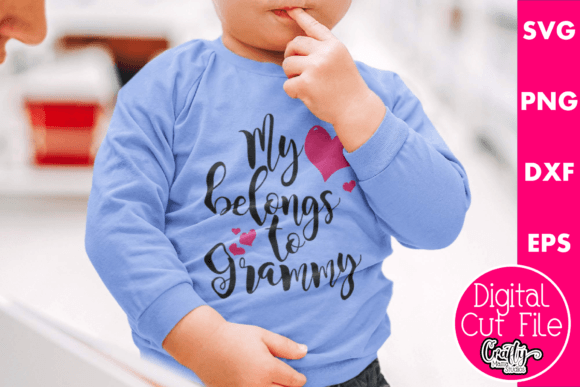
The phrase “My Heart Belongs to Gramps” is presented in a clean, friendly font style, often accompanied by a stylized heart or other gentle embellishments. The layout feels intentional—words are spaced for readability without being too loose, and the overall composition suggests a cozy, family-oriented vibe. As a designer, I appreciate how the text curves naturally around visual elements, making it suitable for both front-and-center placements and subtle background accents.
This design clearly fits within the T-Shirt Designs / Graphics category, and while it doesn’t scream “holiday,” its soft sentiment makes it ideal for year-round use. It’s versatile enough to be reworked as an applique design or layered with additional motifs for more complex projects. The presence of multiple file formats (SVG, EPS, DXF, PNG) ensures compatibility across different platforms and tools, including Cricut and other cutting machines, which is a big plus for makers who work with mixed media.
What Kind of Project Does This Design Suit?
I see this design working beautifully on custom sweatshirts and tote bags—especially for personalized gifts or boutique items. Its warm tone and clear message make it perfect for creating handmade products that resonate emotionally with customers. For instance, imagine stitching this onto a soft, oversized hoodie for a client looking to honor their late grandfather. The visual impact is immediate, and the sentiment behind it adds value beyond aesthetics.
It also has potential in baby clothes and nursery decor. While the wording is not specifically tailored for infants, the gentle font and shape could easily be adapted into a gender-neutral baby blanket or embroidered onesie with a few tweaks. Just ensure the stitch density is light enough for delicate fabric.
Real-World Performance and Practical Use
One of the first things I notice about My Heart Belongs to Gramps is its readability. The lettering isn’t overly decorative, so it holds up well even when scaled down. That said, if you plan to shrink it significantly—like for an embroidered patch or cap—you’ll need to test it on scrap fabric to confirm that the details remain legible after stitching.
When applied to custom apparel, the design reads well in satin stitch or running stitch, depending on the desired effect. If you're going for a bold look, using a thick satin stitch with contrasting thread colors can really bring out the emotion. On the flip side, a thinner running stitch may suit a minimalist aesthetic better, especially if paired with a small heart motif or border.
For tote bag designs, I recommend placing the design toward the center or bottom corner, depending on the size of the hoop and the placement of other elements. The PNG preview included in the download helps visualize how it will look on dark or light fabrics. I’ve found that using a white or cream thread color on darker backgrounds enhances visibility and creates a nice contrast.
In holiday gift applications, such as embroidered ornaments or kitchen towels, the design adds a personal touch that elevates the finished product from generic to meaningful. When used as part of a set—like matching aprons for a couple or a family-themed pillow cover collection—it can become a powerful branding element for your craft business or Etsy shop.
Where to Use My Heart Belongs to Gramps Carefully
- Small Hoop Sizes: Although the design is compact, some elements may require careful scaling to maintain clarity. Always check the recommended minimum hoop size before starting a project.
- Textured Fabrics: On canvas or denim-like materials, the stitch lines may not lay flat as neatly. Consider adjusting stitch density or using a stabilizer to prevent puckering.
- Thin or Stretchy Fabric: Delicate knits or lightweight cottons may struggle under dense stitch areas. Opt for a lighter fill or running stitch to avoid distortion.
- Dark Fabric Backgrounds: The design works well in contrast, but thread choice becomes critical. Test a black-and-white mockup to ensure visibility.
- Curved Surfaces: If you’re applying the design to a curved surface like a cap or hat, be prepared to do some manual tweaking. The curvature can affect alignment and stitch tension.
- Products Subject to Frequent Washing: Dense stitch areas can cause wear over time. If planning for long-term use, choose a durable fabric and appropriate stabilizer.
Design Impact and Customer Reception
Emotionally driven embroidery designs like My Heart Belongs to Gramps have a unique ability to connect with buyers. Whether it's a personalized sweatshirt for a grandchild or a printable mockup for a digital product seller, the message here is universally touching. As a result, customer trust and engagement tend to rise when such designs are incorporated into handmade products or boutique merchandise.
From a brand consistency standpoint, this design can serve as a signature element for a line of sentimental or family-themed items. It supports a professional look without feeling overly commercial, which is great for Etsy sellers and small shop owners aiming to maintain a handmade feel. The design’s simplicity also allows it to blend well with other graphics or logos, giving you room to build cohesive collections.
Visually, the design contributes to the overall giftability of the item. People don’t just buy what looks good—they buy what means something. And that’s exactly what this design offers: a quiet, heartfelt message that can be stitched into everyday objects to create lasting memories.
Designer Tips for Getting the Most Out of the File
- Test on Scrap Fabric: Before committing to a full project, especially if you're using a new machine or unfamiliar fabric type, run a test stitch.
- Check Thread Color Contrast: Especially important for dark or patterned fabrics. White, cream, or pastel threads often pop best.
- Review Stitch Density: Adjust settings based on fabric weight. Lighter fabrics may need less dense fill stitches to prevent stretching.
- Confirm Hoop Size: If the design is meant for a specific garment or product, verify the minimum and maximum hoop sizes to avoid misalignment.
- Inspect Small Details: Look closely at the corners and edges of the letters. Some fonts can have tricky points that need manual adjustment.
- Use Proper Stabilizer: Especially for stretchy or thin materials. A tear-away or cut-away stabilizer can help maintain the integrity of the design.
- Consider Commercial Use: If you plan to sell finished products or digital embroidery files, double-check the licensing terms. Not all free designs allow resale, and it's important to stay compliant.
Final Thoughts for Makers and Sellers
My Heart Belongs to Gramps is a design that carries heart and intention. It’s not flashy, but it’s memorable. For hobbyists, it’s a beautiful addition to your portfolio of sentimental embroidery projects. For creative entrepreneurs and Etsy sellers, it’s a valuable asset that can elevate the emotional appeal of your handmade products.
However, as with any machine embroidery design, success depends on thoughtful preparation. Take the time to understand how the design interacts with your chosen fabric and thread, and don’t hesitate to adjust stitch types or density for optimal results. With the right care and consideration, this design can become a standout in your next project, whether it’s a custom t-shirt for a loved one or a professionally branded line of apparel.
If you're curious about how this design might fit into your workflow, start by testing it on a few sample pieces. Once you see how it behaves in your environment, you’ll get a clearer sense of its potential—and limitations—for your specific needs. After all, the best embroidery reviews come from actual use, not just pixels on a screen.