Slow Dance with Me Retro: A Boho Embroidery Design Review
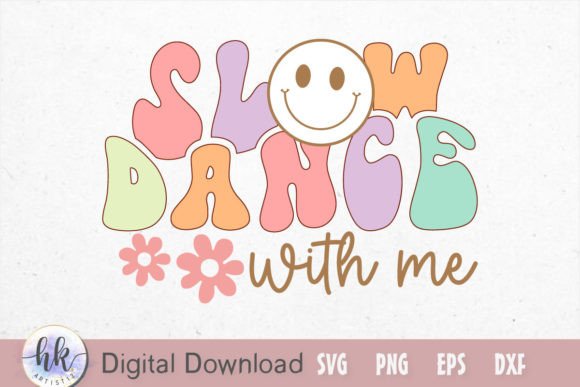
As an experienced embroidery designer and product reviewer, I always approach a new design with a critical eye. The Slow Dance with Me Retro embroidery file caught my attention for its bold aesthetic and nostalgic charm. This boho-inspired graphic is more than just a pretty image—it’s a design that carries a story and evokes emotion. In this review, I’ll walk through how it might perform in real-world embroidery projects, where it shines, and where you might need to tread carefully.
First Impressions: Mood and Visual Personality
The first thing that stands out about Slow Dance with Me Retro is its retro vibe. With soft curves, vintage typography, and a laid-back composition, it feels like something pulled from a 70s music festival or a cozy boutique window. The design’s scale—covering a 6x6 inch area—makes it ideal for statement pieces rather than subtle accents. It has a clear focal point and enough visual interest to hold attention without overwhelming the fabric.
Its layout suggests a good balance between negative space and stitched elements, which is crucial for avoiding overly dense stitch areas. The transparent background PNG gives a clean preview of what to expect when placed on different surfaces. For me, this design naturally fits into handmade products such as tote bags, sweatshirts, or even custom baby items, where a bit of personality and a retro touch can elevate the overall look.
Real-Life Application Scenarios
Let’s imagine using Slow Dance with Me Retro in a few practical embroidery scenarios:
- Tote Bag Design: This design would make a strong impression on a canvas tote. Its size and style are perfect for creating a unique shopping bag or gift item. The retro feel pairs well with earthy tones and organic materials, fitting right into the craft business niche.
- Sweatshirt Embroidery: On a heavy cotton sweatshirt, the design’s details come through clearly, especially if you use high-contrast thread colors. The soft edges and flowing lines work well with the relaxed nature of casual apparel.
- Baby Clothes & Nursery Decor: The gentle theme and non-aggressive imagery could be reimagined for a whimsical baby onesie or wall art. Just ensure the text and symbols are large enough for little eyes to appreciate.
- Embroidered Patch: As an embroidered patch, this design could add a touch of nostalgia to denim jackets, backpacks, or even vintage luggage tags. Its boldness makes it stand out without needing extra embellishments.
- Commercial Projects: If you’re an Etsy seller or run a small shop, this design could become part of your signature line of custom apparel, particularly for boutique-style collections or seasonal holiday gifts.
What I appreciate most is how adaptable the machine embroidery design is across different product types. Whether you're working on a personalized gift or a batch of small shop merchandise, the design brings a cohesive, artistic flair that many customers respond to positively.
Where to Use with Caution
While the Slow Dance with Me Retro design is versatile, there are certain situations where it may not deliver the expected results:
- Small Hoop Sizes: Given the 6x6 inch footprint, this isn’t a design for tiny hoops. If you try to shrink it too much, you risk losing clarity in the lettering and fine details.
- Textured Fabrics: On fabrics like flannel or felt, the texture might interfere with the stitching definition. You may need to adjust stitch density or choose a smoother material for best results.
- Stretchy or Thin Fabrics: Stretchy materials like jersey knits or lightweight linen can cause distortion unless you stabilize properly. Always test before committing to a full project.
- Dark Fabric Backgrounds: While the design looks great on light-colored backgrounds, using it on dark fabrics could reduce visibility. Consider experimenting with metallic threads or lighter color palettes to enhance contrast.
- Curved Surfaces: Placing this design on a curved surface like a cap or hat will require careful alignment and possibly some manual adjustments. The shape should still work, but precision matters.
- Dense Stitch Areas: Some parts of the design, especially around the central motif, have tighter fills. These sections might pull or pucker if not supported with the right stabilizer.
- Frequent Washing: If you're planning to embroider kitchen towels, aprons, or baby clothes that get washed often, consider reinforcing the design with a stronger backing stabilizer or opting for polyester thread for durability.
Design Notes for Embroidery Success
To make the most of Slow Dance with Me Retro, here are some tips based on real-life experience:
- Test First: Always stitch a sample on scrap fabric similar to your final project. This helps you catch any issues with thread colors, stitch density, or hoop size early on.
- Check Contrast: Use black-and-white mockups to assess how visible the design will be on your chosen fabric. Sometimes, what looks good digitally doesn’t translate perfectly to the finished product.
- Review File Formats: Since the package includes SVG, EPS, DXF, and PNG (but no specific stitch count), make sure your software supports these formats. Also, double-check the compatibility with your embroidery machine.
- Inspect Small Details: The design includes delicate linework and intricate patterns. Ensure your machine can handle them accurately and that the design remains legible after stitching.
- Use Proper Stabilizer: Depending on your fabric choice, a tear-away or cut-away stabilizer may be necessary to maintain stitch integrity and prevent puckering.
- Confirm Licensing: Before selling any finished product or including it in digital bundles, verify whether the design allows commercial use. Many digital embroidery files have restrictions that aren't always obvious.
Impact on Product Value and Customer Engagement
One of the biggest strengths of Slow Dance with Me Retro is its emotional appeal. It tells a story of love, memory, and style—perfect for holiday gifts, personalized products, or wedding accessories. Customers are likely to connect with the design's sentimentality, which can boost buyer engagement and perceived value.
In terms of brand consistency, this design suits businesses that lean toward boho, vintage, or indie aesthetics. It adds a layer of professionalism to handmade items and can help create a recognizable style across your design assets. When used correctly, it enhances the handmade presentation and elevates the overall product value, making it a worthwhile addition to your embroidery toolkit.
Final Thoughts for Crafters and Designers
I’ve worked with plenty of embroidery files over the years, and while Slow Dance with Me Retro isn’t the most complex, it does offer a thoughtful blend of form and function. It’s the kind of design that makes people pause and smile, which is exactly what you want in a personalized gift or craft fair product.
However, like any machine embroidery design, it requires preparation and understanding of how it interacts with fabric, thread, and hoop settings. Take the time to test, adjust, and refine before moving to production. That’s the hallmark of a professional embroidery project.
If you're an embroidery designer, apparel decorator, or creative entrepreneur, I recommend giving Slow Dance with Me Retro a place in your collection. Just pair it with the right project, and it can bring warmth and character to your handmade product offerings.